
Skin & coat · 7 min
Why does my dog keep licking their paws?
A practical guide to allergies, irritation, habit and when to contact your vet.
One paw or several paws is a useful clue
Persistent attention to one paw makes a local problem more likely: check for a torn nail, cut, splinter, grass seed, swelling, an irritated pad or something caught between the toes. Licking several paws, especially with itchy ears or seasonal timing, can fit a broader skin problem, but only an examination can identify the cause.
Look in good light without forcing painful toes apart. Compare both sides and notice heat, smell, moisture, staining and whether the dog pulls away. Do not dig for a deeply embedded object.
Common causes can look very similar
Environmental or food allergy, contact irritation, fleas or mites, yeast or bacterial overgrowth, pain, dry skin and anxiety can all lead to licking. Licking then adds moisture and friction, which can worsen the skin and create a cycle. That is why guessing from paw colour alone is unreliable.
- Recent walks through long grass, grit, road salt or treated surfaces
- Changes in food, treats, shampoo, bedding or cleaning products
- Itchy ears, belly, muzzle or other paws
- A musty smell, discharge, broken skin or hair loss
- Licking that appears mainly during rest or stressful events
Safe first steps at home
After a walk, rinse ordinary dirt or suspected irritants with lukewarm water and dry carefully between the toes. Keep nails and surrounding hair maintained, and prevent prolonged licking while you arrange help if the skin is being damaged. Avoid human creams, essential oils, disinfectants and painkillers unless your veterinarian specifically approves them.
Record which paws are involved, when licking starts, recent routes and any food or household changes. A few dated photos in the same light can show whether redness is spreading or settling.
When a veterinarian should examine the paw
Seek prompt care for marked swelling, bleeding, pus, a bad smell, sudden limping, severe pain, a foreign object, a broken nail, rapidly worsening redness or a dog who seems unwell. Book a non-urgent appointment when licking persists, returns repeatedly or disturbs sleep even without dramatic signs.
A vet may need to examine the skin and ears, look for parasites or infection and discuss allergy patterns. Treating infection without addressing the underlying trigger—or assuming every lick is an allergy—can keep the cycle going.
Where supplements fit
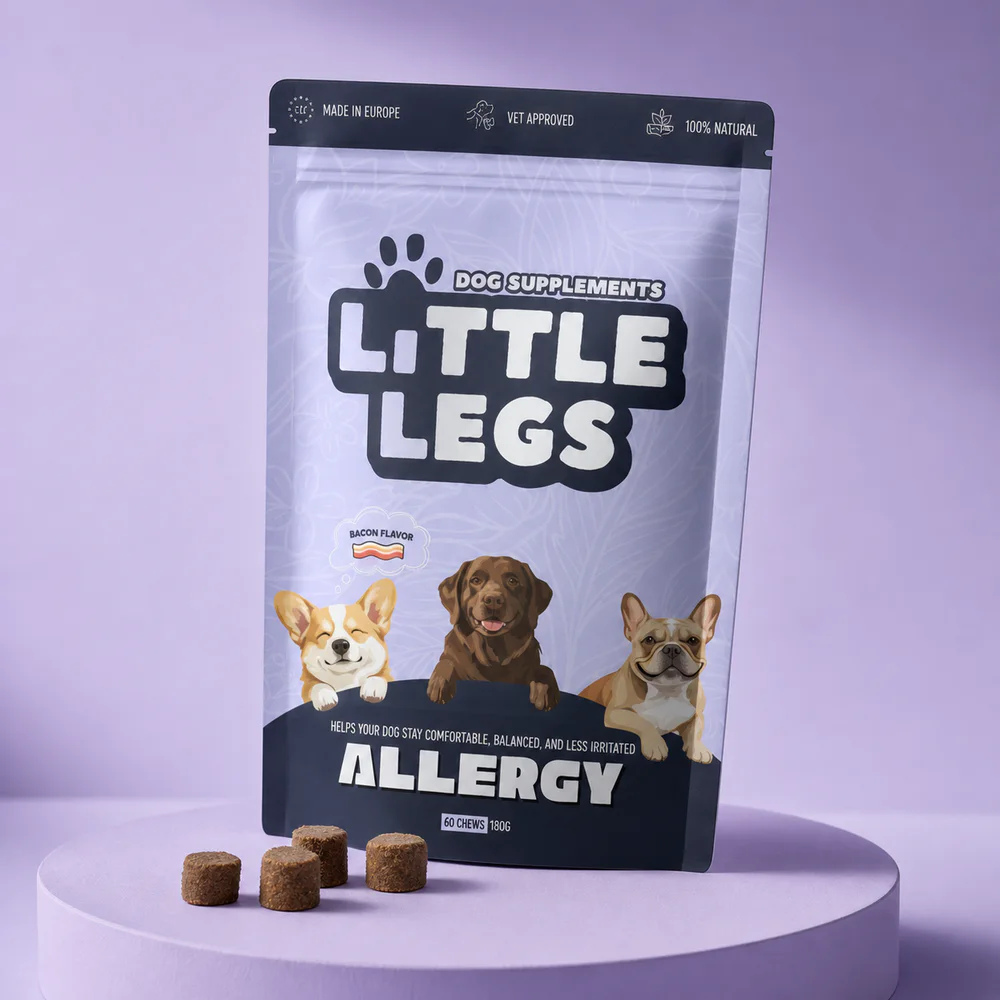
A skin-support supplement may complement an agreed routine, but it cannot remove a grass seed, treat parasites or diagnose an infection. Introduce one change at a time, follow the weight-based serving and tell your veterinarian about every supplement and medication. Judge progress by licking frequency, skin condition and comfort over time, not by a single quiet evening.
Frequently asked questions
Are brown or rusty paws always a yeast infection?
No. Saliva can stain light fur, and colour alone cannot diagnose yeast. Smell, inflammation and microscopic testing may help a veterinarian identify infection.
Should I put socks on my dog?
A clean, breathable barrier can briefly limit damage, but damp or tight coverings can worsen skin. Ask your vet, change wet coverings promptly and never use them to delay examination.
Can paw licking be behavioural?
Yes, licking can become a soothing habit, but pain and skin disease should be ruled out first. Behaviour support works best after physical causes are addressed.
Evidence
Sources and scope
These references support the article’s general health, behaviour or nutrition guidance. They do not establish the efficacy of any Little Legs product, and our practical routines are editorial guidance—not an individual treatment plan.
If you are exploring daily support
See the whole formula before deciding.
This guide is education, not a product recommendation. The product page shows suitability, every ingredient, dosage, warnings and 60-day expectations.
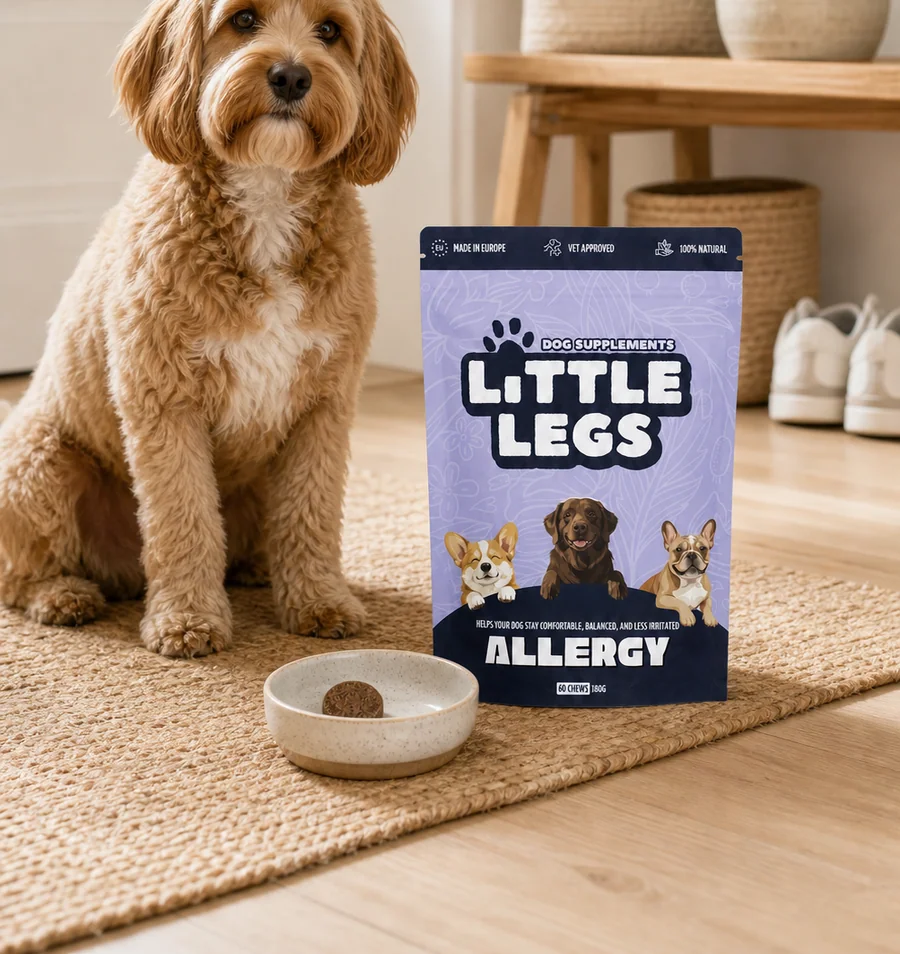 60 chews